

Unit studies are a great way to introduce your children to a special topic of interest. A gardening unit study is a wonderful way to show your children to where their food comes and how to be more sustainable.

Homeschool Science Gardening Unit Study
It isn’t too hard to create your own unit study for your children by compiling information and hands-on activities to go along with your homeschool studies. Dig deeper into the history and science of gardening with these garden unit study resources that are perfect for the whole family.
History of Gardens
You can go down quite the rabbit hole when you begin researching the history of gardens. If you start with the Bible, you can move up to modern times and incorporate gardening history as a wonderful supplement to your regular homeschool history curriculum.
- Biblical History – Gardening was introduced in the Bible with the Garden of Eden. God spoke about gardens from the very beginning of time.
- Ancient History -People became more civilized and gardens were not always started for practical reasons, they became ornamental and for show. The upper class civilizations used slave labor to create gardens. Ancient Egypt, Greece and Rome had fruit trees and vineyards rich with grapes for wine and olives for olive oil. There were ornamental gardens full or roses, vining flowers, ornamental shrubs and garden water features with ponds and fountains.
- The Middle Ages – There were lots of medicinal gardens grown by monks. They were used for healing and medicine. The monk gardens were also a place of refuge and peace. Many people grew medicinal herbs in their gardens and had lawns full of fragrant herbs.
- 16th and 17th Century – Gardens were influenced by classical ideas. They were full of fountains, sculptures and topiaries. Mazes made of hedges were very popular in Europe.
- World War 1 and 2 – Victory Gardens were used to help prevent food shortages. Families were encouraged to plant their own gardens to help with the war effort. Gardens were planted in backyards, front yards, city parks, churches, and schools. Gardening was used as a way to provide food, show patriotism and boost morale during the war.

Gardening Science
Learn about plant science and botany while you are gardening with your children. There are so many opportunities to explore science while gardening.
- While you are planning a garden you can discuss plant spacing and how plants need a certain amount of room and sunlight to grow.
- Explain what photosynthesis is and how plants take in carbon dioxide and water from the air and soil in order to grow.
- Learn about what nutrients that the plants need to get from the soil. Study composting and how to create your own compost for the plants.
- Plant native milkweed and flowers and discuss the importance of pollinators in the garden.
- Observe the life cycle of a butterfly as they lay eggs, hatch into a caterpillar, form a chrysalis and emerge as a butterfly.

Involve the Whole Family
Gardening can be a family affair. Many homeschool families enjoy growing their own food to save money at the grocery store and to be a little more self sustainable. In order to grow food to feed the whole family everyone will need to get involved to help make this happen.
Garden Activities for Younger Children
You can have your younger kids create their own garden that they tend to and observe. Make sure to get them a garden journal so that they can record what is happening to their plants. They can also keep notes on what plant produced the most and at what time of year. This will help them keep track so they know what to plant next year.
Pretend play is a fun way to get kids excited and learning too! Our Garden Shop Play Set printable pack has everything you need!

Getting Older Kids Involved
You can create an entire elective on gardens for high schoolers. Teens can learn how to design and plan a garden from start to finish. Using graph paper is a great way to break down grids in garden spaces, especially if you are designing raised garden beds.
After creating their garden plan, they can research building materials, soil and amendments, create a composting system and more. Make sure they track and keep records of what they are doing from design to harvest. Before you know it, they will have enough hours to create a full credit hour.

Benefits of Gardening for Teens
There are many benefits that gardening can bring to teens.
- Gardening fosters responsibility
- Builds self confidence
- Helps with mental illness and focus
- Creates healthy habits
- Provides outdoor time and exercise
Different Types of Gardens
Let’s take a look at the different types of gardens that are easy to create no matter which type of space or yard that you have. Everyone can grow some kind of food for their family.
Container Garden
Creating container gardens is one of the best ways to have garden if you don’t have much space. A garden doesn’t have to take up your entire yard if you don’t have the room. A container garden is when plants are grown in a container and not the ground. They are great if you have a small space, or don’t have a yard, or want flexibility and able to move them around.
Ideas for container gardens are: grow bags, large pots, 5 gallon buckets, large toy buckets with handles and even a baby pool!
Pizza Garden
A pizza garden is a fun addition to your garden space. They are a good idea for a first garden for young children. Creating a pizza garden is a fun activity to get small children involved in growing and eating their harvest. You can use a small raised bed, or a large pot for this. Plant herbs and vegetables that can be used as toppings for a pizza such as: basil, oregano, parsley, rosemary, tomatoes, peppers etc…
You can take it a step further and create a garden that is shaped like a pizza. You can use a small round baby pool or a large wine barrel planter. Lay out bamboo sticks to grid the garden out into pie shapes. Plant different herbs and veggies in each slice of the circle shaped pizza
Raised Bed Garden
Raised bed gardens are great for controlling the nutrients in your soil, and helping prevent weeds. You can customize the mix that you grow and you can create beautiful beds from found materials and scraps. Another popular method of gardening in a raised bed is a square foot garden. This is where you can grow lots of different plants in a square foot of space. It’s a great way to plant lots of food in a smaller area.

Hands-on Learning in the Garden
Gardening provides many opportunities for family time, discussion and hands-on learning. In addition to the planning, building, growing, observing and harvesting it also provides many valuable lessons.
Valuable Lessons
There are so many valuable lessons that can be learned through gardening with your children.
- Quiet time with God – Being out in the garden causes you to pause and take in what is around you. It is a wonderful place to sit and breathe, and rest and pray. Your children can learn to seek the quiet and seek God in their garden space.
- Patience – Gardening teaches patience as you wait for the seeds to sprout, form plants, and create food that you can harvest and eat.
- Hard work and determination – Gardening is hard work. It is hot and you will get dirty. Things will get bugs and maybe even die. The final outcome is worth the hard work and your kids will learn how determination can pay off in the end.
- Where food comes from – Gardening is a valuable way to show your children where our food comes from. They will marvel at how much tastier things are when they are picked fresh from the garden.
Don’t forget to follow our Gardening board on Pinterest for more great ideas.
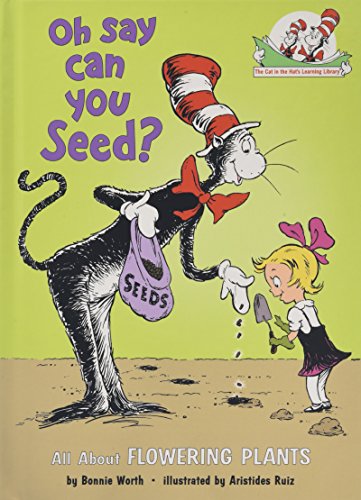
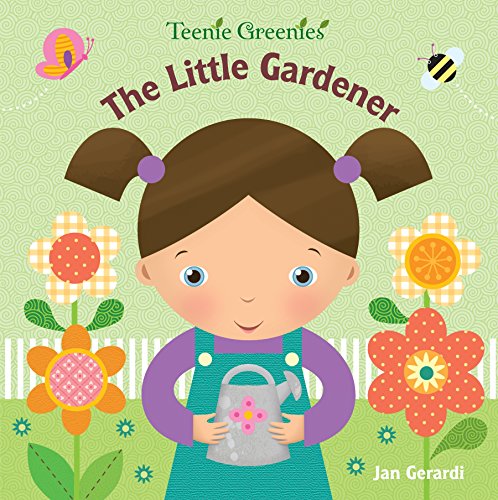
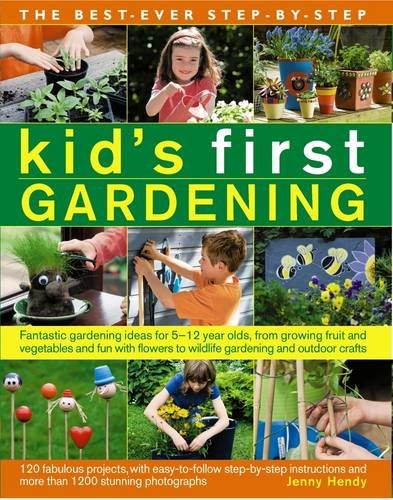
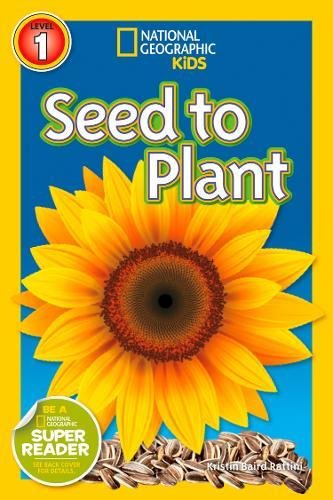
Oh Say Can You Seed?: All About Flowering Plants The Little Gardener (Teenie Greenies)The Best-Ever Step-by-Step Kid’s First GardeningNational Geographic Readers: Seed to PlantGardening Lab for KidsUp in the Garden and Down in the DirtSquare Foot Gardening with KidsPlanting a RainbowRoots, Shoots, Buckets & BootsIf You Plant a SeedFrom Seed to PlantKid’s Herb Book, A: For Children of All Ages


Final Thoughts
Gardening is a wonderful activity that can include your entire family in a fun and educational experience. As you work together to grow your own food your children will learn valuable lessons, educational lessons and create some great memories as a family.
Download Gardening Unit Study
Be sure to download our Gardening Unit study to use alongside any of our other garden themed printables as you get started planting this year.



 Annette lived many years as an exhausted wife of 1 and mother of 6. Grab your fuzzy blanket, pour your favorite drink, and browse through our encouraging tips, printables, and curriculum options. Read more about me and the ministry here at In All You Do